The Seas Pavilion in the World Nature of EPCOT has welcomed a new fish called a Napoleon Wrasse.
The humphead wrasse (Crassilabrus undulatus), also known as a Napoleon Wrasse, is the largest species of wrasse mainly found on coral reefs in the Indo-Pacific region. The wrasse can be found on the east coast of Africa around the mouth of the Red Sea, and in some areas of the Indian and Pacific Oceans. The species is one of the top predators of the reef ecosystem, mainly consuming various invertebrate species including the crown-of-thorns starfish. It is of interest to humans for food and for aquaria, along with a growing value in providing ecological services.
The Napoleon wrasse is an animal that the Seas Pavilion has never had before. The wrasse’s name is Toa, which is a Māori word meaning warrior or victor. The care team at the Seas Pavilion wants Toa to be a warrior and a victor for his species.
One of the main food items for the Napoleon wrasse is the crown-of-thorns sea star. These sea stars are actually detrimental to coral reefs. Having Toa in the Seas pavilion explains to people that they are what is needed on the reefs. They are needed to protect and keep alive so then the coral reefs can thrive and be an important part of our ecosystems.
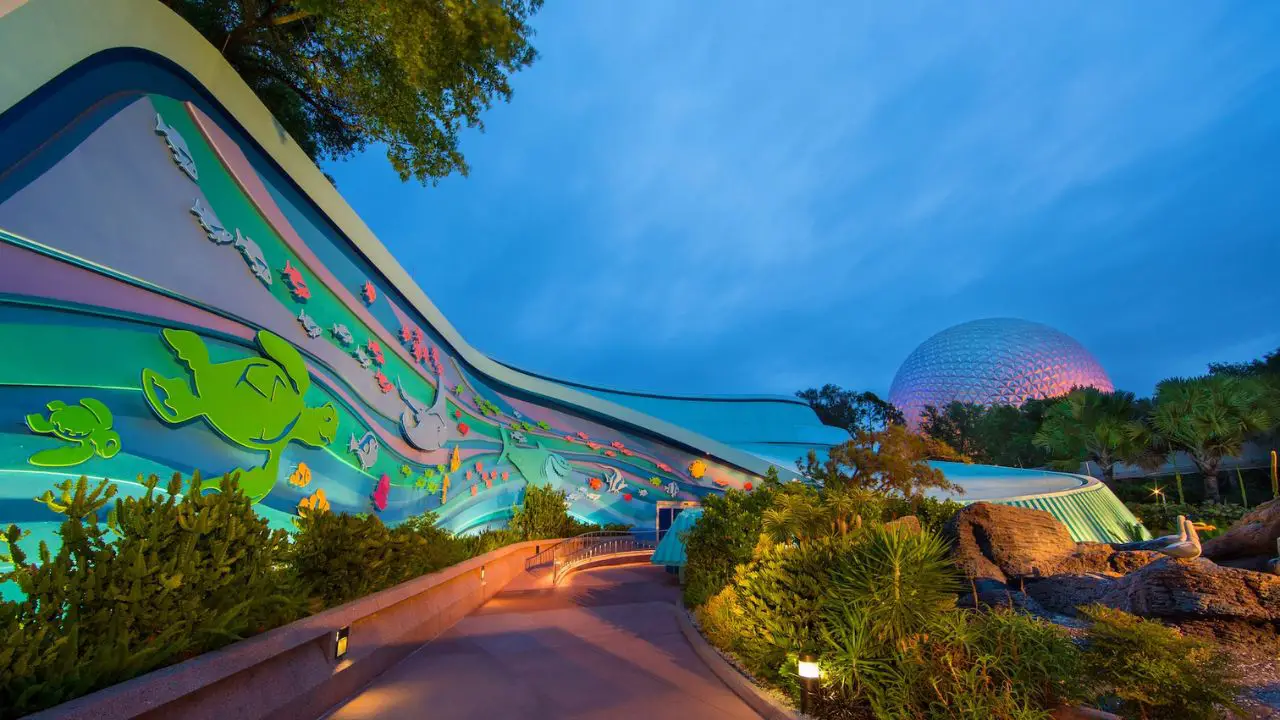
The Seas pavilion is themed as an oceanic exploration base called SeaBase Alpha, with several exhibits devoted to oceanic study. The building includes an aquarium, the Seas with Nemo & Friends attraction, Turtle Talk with Crush, and the Coral Reef Restaurant. With 5.7 million US gallons of tank volume, the pavilion is also the second-largest aquarium in the U.S. and the ninth-largest in the world.
Although The Living Seas opened in 1986, it had been planned as part of the park since its opening in 1982. The pavilion was re-themed in 2006 as The Seas with Nemo & Friends after the 2003 Pixar film Finding Nemo.
Sea Base is the main viewing area of the aquarium. A smaller aquarium features a pair of rescued West Indian manatees. Other small tanks feature a variety of species from moray eels to seahorses, and other species that cannot interact with divers or other fish in the main exhibit. A large, cylindrical tank in which guests can view from the center houses a juvenile sandbar shark. The other three-quarters of the exhibit hold a wide array of species.
Since 1995, The Disney Conservation Fund has been focused on helping to save wildlife for future generations through grants to leading conservation organizations working together to stabilize and increase the populations of at-risk animals, including butterflies, coral reefs, cranes, elephants, gorillas, monkeys, and sea turtles. A Disney conservationist works with each organization to identify where Disney expertise can play a role in reversing the decline of these animals and their habitats.
Disney Conservation scientists have been supporting local and international programs aimed at supporting the rescue, care, and restoration of threatened coral reefs. Our teams are currently working on long-term strategies to restore reefs in Florida and The Bahamas — growing and eventually replanting corals resilient to the effects of threats like disease and climate change.
What do you think of this new fish at the Seas Pavilion at EPCOT? Are you planning to visit EPCOT soon? Let us know in the comments.