Animation has always been a visual medium. It is a canvas where story and song can come together to create something magical. Unfortunately, for the Deaf and hard-of-hearing community, the experience of that magic has historically come with a barrier. While captions have provided access, they haven’t always provided connection.
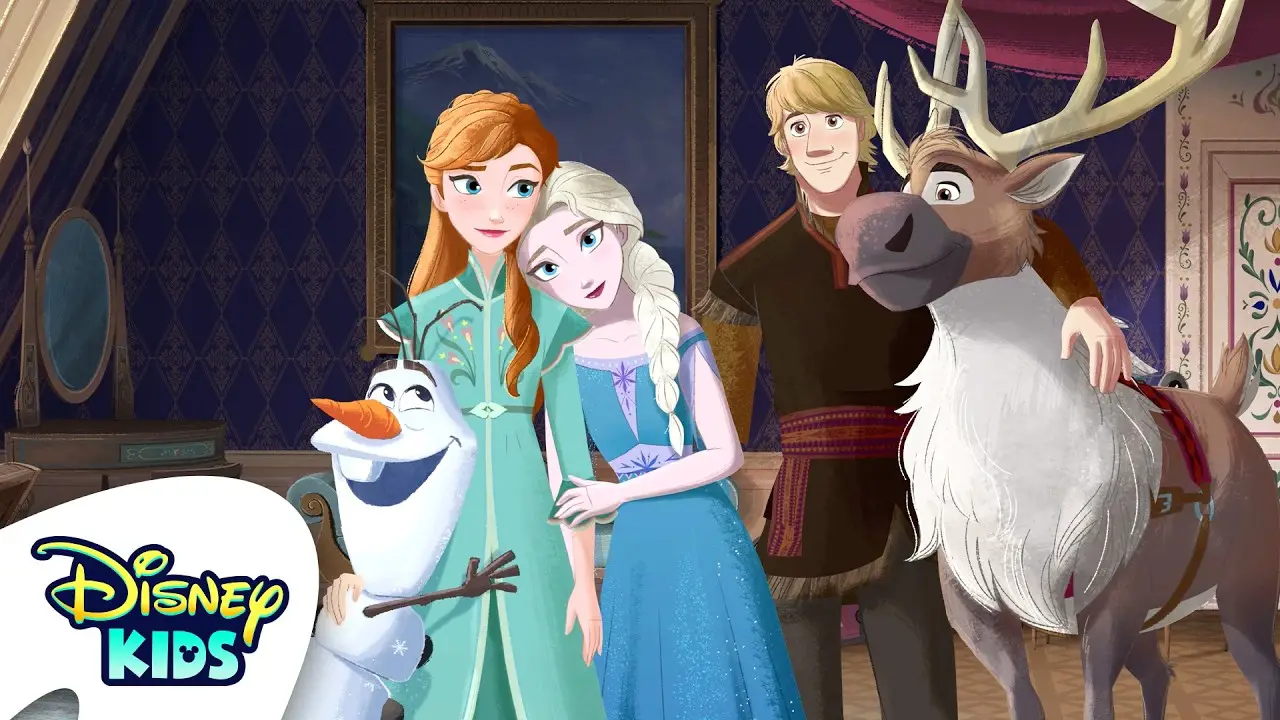
This is beginning to change, thanks to a collaboration between Walt Disney Animation Studios and Deaf West Theatre. This collaboration has created Songs in Sign Language. Because of this partnership, audiences are getting to see three iconic musical numbers reimagined with American Sign Language (ASL). This includes:
- The Next Right Thing – Frozen 2
- We Don’t Talk About Bruno – Encanto
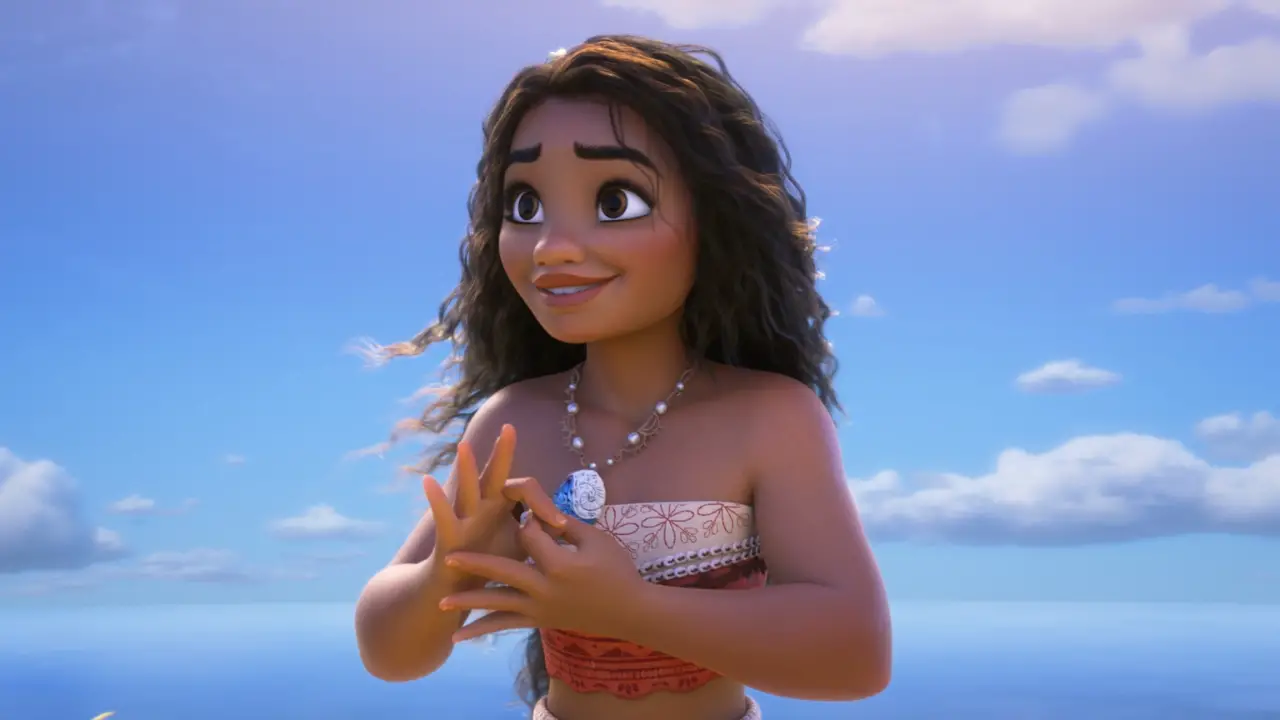
- Beyond – Moana 2
This project was directed by Hyrum Osmond, with the help of several collaborators. It is a project that isn’t just about accessibility. Instead, it is a beautiful new type of artwork.
Recently, at a media event Daps Magic was invited to at the Walt Disney Animation Studios, the creative teams behind these projects gathered to discuss the deep personal impact, the meticulous craft, and the vision that brought these moments to life.
Beyond Representation: It’s an Art Form
During the discussion, there were several takeaways. Several of these will be in future articles. One of the most powerful takeaways was the distinction between an interpreter in the corner of a screen and an integrated, animated performance like is seen in Songs in Sign Language. While traditional interpretation is an important tool for information access, this project aims for something more: emotional resonance and connection.
“It’s not only about representation, but it’s also about the art form itself,” the team shared. “We’re creating a new form of art… It’s not just checking off boxes, but it is, in fact, a new art form.”
When you watch these characters sign, you aren’t just seeing the words. You are seeing the character’s soul. The animators worked closely with the ASL performers to ensure the facial expressions, including brow movements, eye contact, and even subtle tilts of the head, connected with the intensity and emotion of the original performance. It is a seamless blending of movement and language.
The Art of Restraint: Why Less is More
One of the most insightful and amusing moments of the conversation came when discussing the adaptation of We Don’t Talk About Bruno. At one point, the team was asked about a decision regarding the line, “I grew a gut.” Ultimately, the team decided not to sign that specific phrase.
“We don’t want to give the audience the sign before they’re going to see it, or also miss the joke in its entirety,” the team explained. By allowing the animation of the character’s physical action to stand on its own, it made for a comedic moment that also got the point across. It is a wonderful example of the “strong focus on restraint” that highlights some the best of the Walt Disney Animation Studios. The goal was to find the balance between art and intention to ensure that the ASL serves the story, not just the transcript.
A Project of Personal Connection
For the creators, this wasn’t just a corporate initiative; it was deeply personal. The collaboration with Deaf West Theatre brought a level of authenticity that was felt in every frame. When watching these songs, this comes through whether one can sign or not.
The team shared that the project began as a “slow burn.” It started as a vision that grew from a deep desire to remove barriers. For those involved, the project served as a symbol of connection. It was a way to bridge the gap between worlds that, for too long, have been kept apart. These was a theme that ran throughout the day with the variety of works of art that were shown.
One of the most poignant moments mentioned was the scene between Moana and her grandmother. For the ASL performers, that scene was transformative. It wasn’t just performance. It was a conversation. It allowed for a depth of communication that many in the Deaf community have never had the opportunity to experience in mainstream entertainment.
A Legacy for the Future
When asked about the future of filmmaking, the team expressed a hopeful, forward-looking sentiment They want the world to change for the better to be more inclusive and to connect more. They hope this project inspires not just Disney, but creators everywhere to look for opportunities to connect with diverse audiences in authentic ways.
Perhaps one of the most important things is the impact is being felt by the next generation. One of the creators shared a story of their own one-and-a-half-year-old son, who is already learning early ASL, being “so incredibly engaged” with the content.
“This project is going to be incredibly impactful on the future generations of Deaf children,” the team noted. “They’ll be able to watch something that is in their language… it is going to be really appreciated by them.”
As we look toward the future of Disney storytelling, this collaboration stands as a shining example of what happens when we stop building barriers and start building bridges. It reminds us that at the heart of every great Disney story is the desire to be understood, to be seen, and to be connected. And that, truly, is the magic.
Daps Magic sincerely hopes that there will be more projects like this in the future! What do you think of this project and these ideas? Are you excited to see Songs in Sign Language when they arrive on Disney+ on April 27, 2026? Share your thoughts and opinions in the comments below!
Songs in Sign Language Demonstration | Walt Disney Animation Studios 4K