The Walt Disney World Resort is celebrating its 55th anniversary today. The morning began with brief remarks by Walt Disney World President Joe Schott. He said the following during a brief moment at Cinderella Castle:
Good morning, everyone.
It’s so exciting to be here with all of you on this special day. And it was 55 years ago today at around this same time that we opened Walt Disney World for the very first time for guests. At that time, we only had one park, the Magic Kingdom, two hotels and a campground. And look at us today. There’s more magic at Walt Disney World than anywhere else on earth, right?
You know, Disney means so much to all of us. As a kid, I came here, I joined with my first job just down the path here at Jungle Cruise, and, uh, lower your head, watch your step, enjoy the rest of your day. And it still means so much to us today. It’s been the fabric of what we do. It’s been part of our lives. And I just wanted to say thank you for making this part of your lives. We’re honored to have you be a part of our story. Thank you.
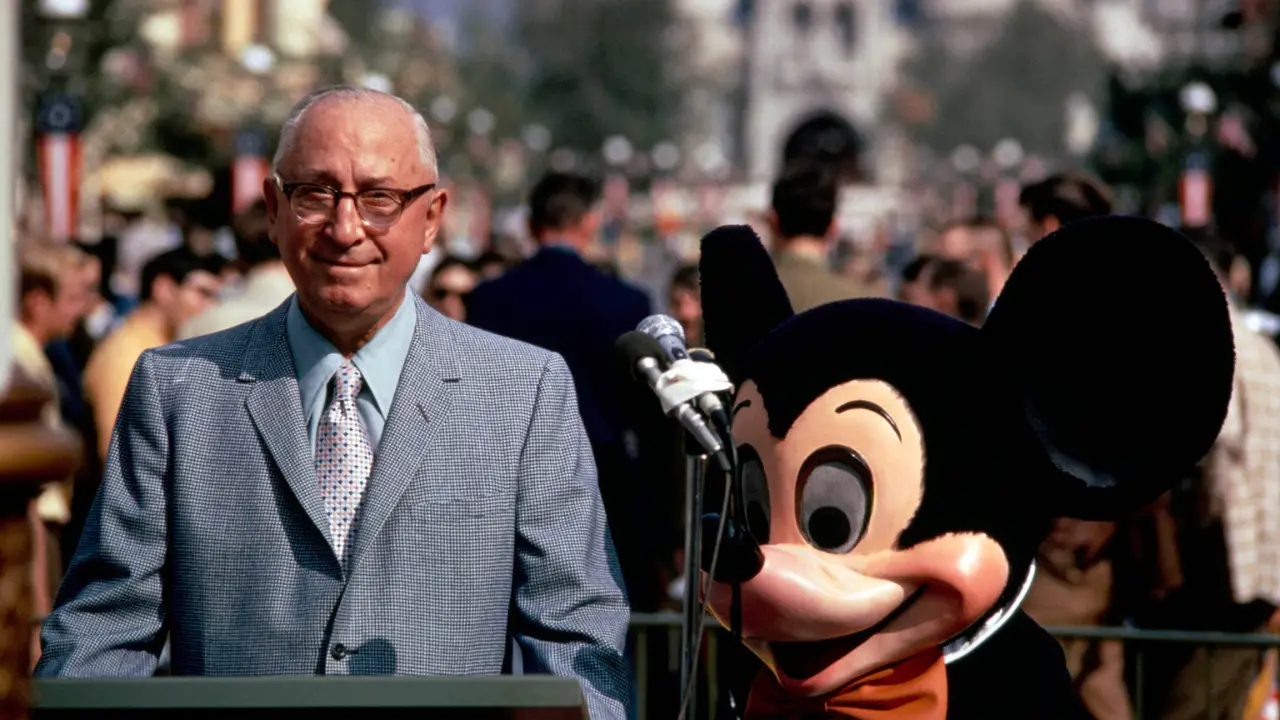
This was followed by a musical moment with Mickey and friends joining Schott on the stage. It was short. It was sweet. It was touching. 55 years earlier, Roy O. Disney also shared brief remarks during the official dedication of Walt Disney World on October 25th. He said,
Walt Disney World is a tribute to the philosophy and life of Walter Elias Disney… and to the talents, the dedication, and the loyalty of the entire Disney organization that made Walt Disney’s dream come true.
May Walt Disney World bring Joy and Inspiration and New Knowledge to all who come to this happy place… a Magic Kingdom where the young at heart of all ages can laugh and play and learn — together.
Dedicated this 25th day of October, 1971.
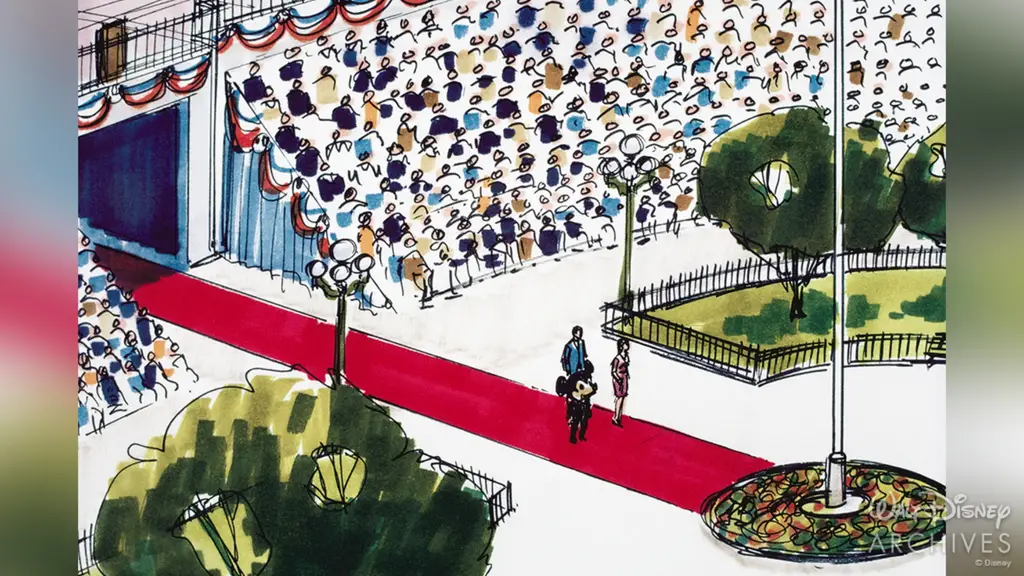
As part of the celebration of this milestone, the Walt Disney Archives shared some photos that look back at what it was like at Walt Disney World in 1971. This began with a rare drawing of the dedication moment:
Places to Stay
As Joe Schott mentioned in his remarks, when Walt Disney World opened, there was just one theme park, two hotels, and a campground. One of these hotels was the beautiful Disney’s Contemporary Resort. For many visiting the “Vacation Kingdom of the World,” their day would begin here. The Contemporary was designed to embody Walt Disney’s optimistic vision of the future: a place where technology, innovation, art, and imagination would come together. It was also meant to serve as a visual backdrop to Tomorrowland.
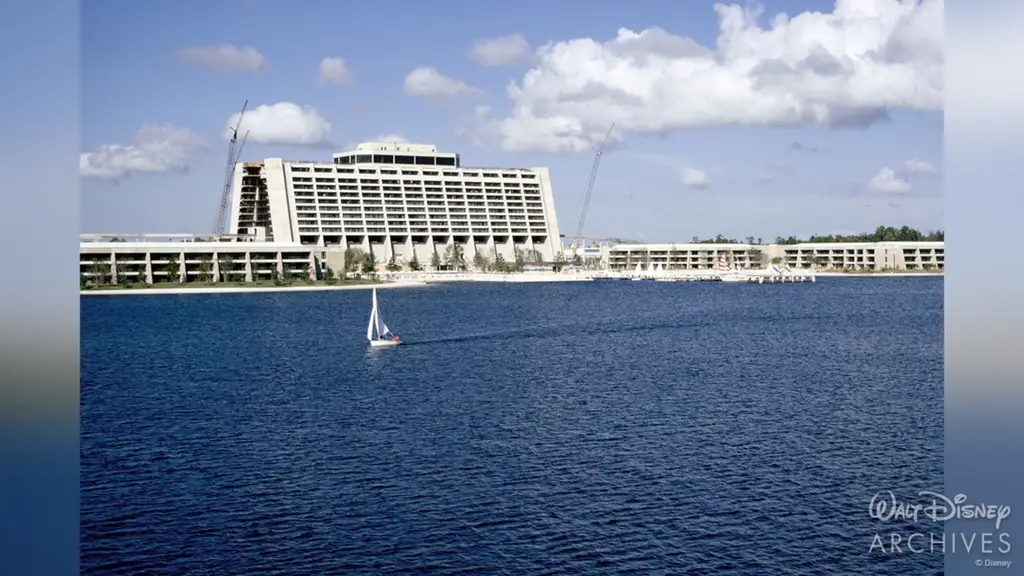
Not only did the design showcase a new way of thinking, but the way it was built also did the same thing. Innovative construction techniques and architecture furthered this vision. It was designed by Welton Becket & Associates of Los Angeles, in collaboration with U.S. Steel Co. and the Imagineers of WED Enterprises (now Walt Disney Imagineering). This Contemporary was constructed with an innovative steel unitized construction system. Around 1,500 guest rooms were assembled at a nearby warehouse and then brought to the resort site. Then, each room was lifted by crane and slotted into the A-frame superstructure.
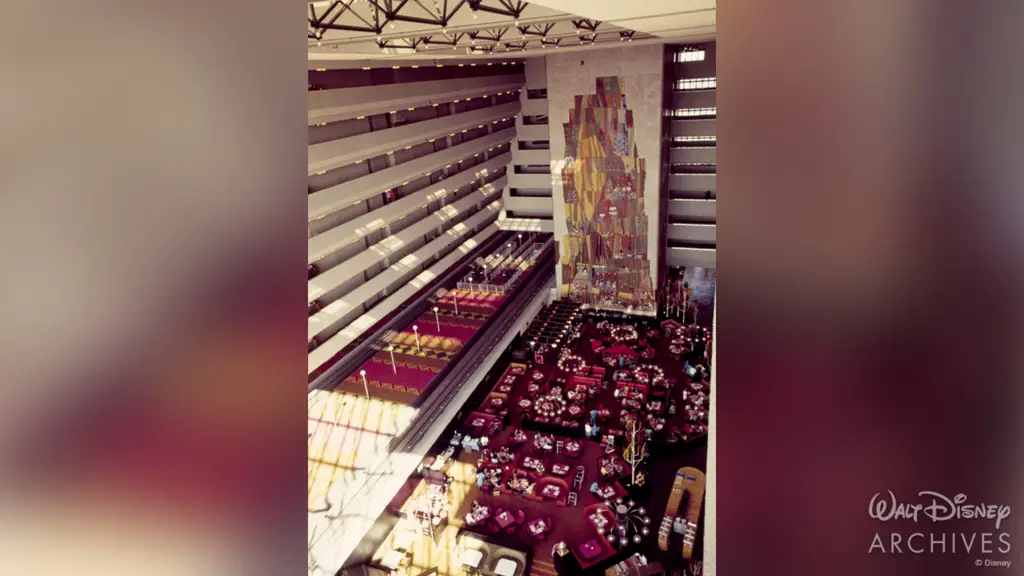
Inside the Contemporary, the enormous Grand Canyon Concourse is at the heart of the resort. The Walt Disney World Monorail sails through as happy guests come and go as they experience the most magical place on earth. This is also the home of the colorful, eight-story mural that was designed by Disney Legend Mary Blair. It was inspired by the art and landscapes of the American Southwest (and was named The Spirit of Peace Among Children).
Mary drew inspiration for this mural from many sources. This included prehistoric stone petroglyphs, Pueblo murals, and Navajo ceremonial art, including sand paintings. The design motifs used as textures on the background cliffs were inspired by the terraced designs seen in baskets and weaving from Pueblo, Navajo, and Apache artisans.
Across the Seven Seas Lagoon is Disney’s Polynesian Village Resort. This is a resort that celebrates the sights and sounds of an imagined South Pacific paradise.
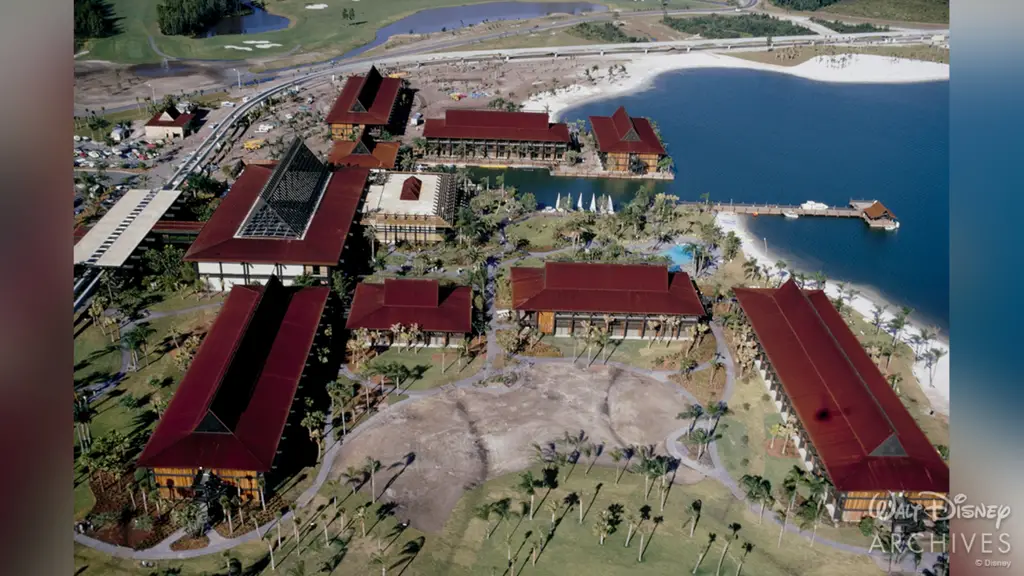
The Polynesian was envisioned as an extension of f Adventureland at the Magic Kingdom from its earliest planning stages. Instead of a single towering hotel, designers went with a village approach. Rooms were spread among eight Longhouses that surround the Great Ceremonial House. The original Longhouses, Bali Hai, Bora Bora, Fiji, Hawai‘i, Maui, Samoa, Tahiti, and Tonga, were named for locations, nations, and films associated with the South Pacific.
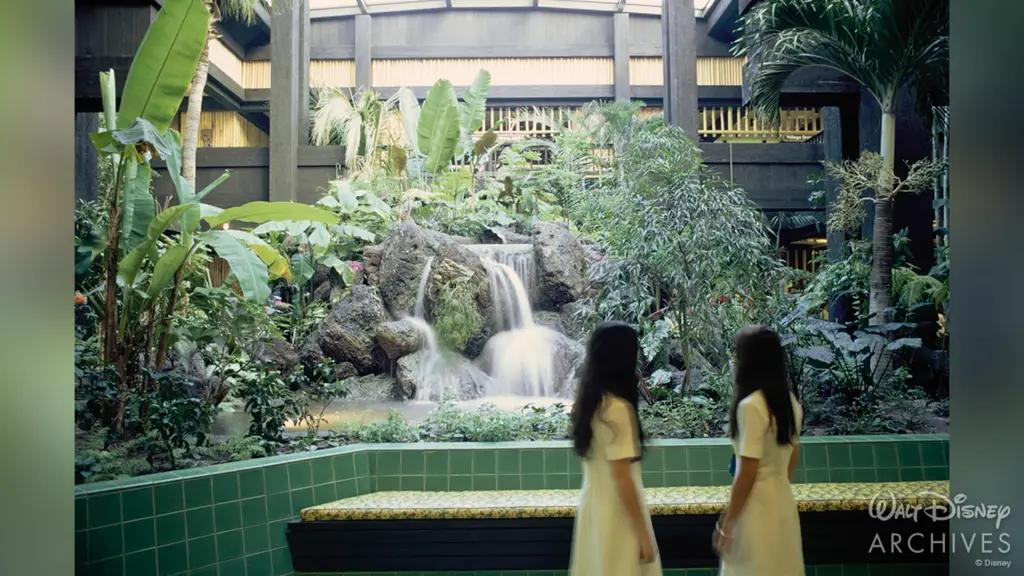
When it opened, Polynesian Village had 492 rooms on its 39 acres on October 1, 1971. This resort was also constructed using innovative unitized modular steel.
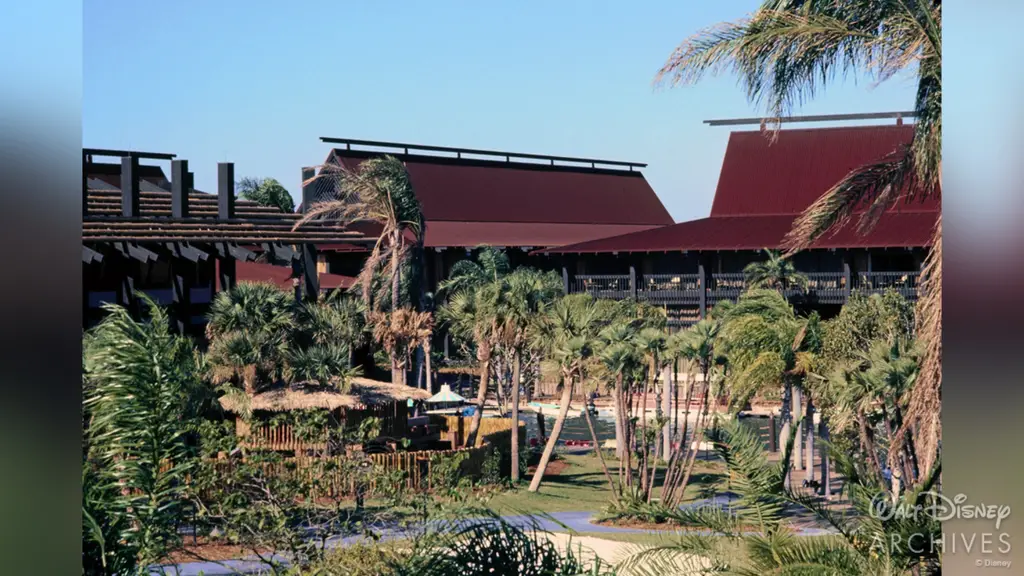
This resort experience was designed to feel like an escape. It drew on mid-century inspirations and Polynesian culture. It combined region-inspired architecture, décor, cuisine, music, and artwork to create a romanticized South Pacific vacation destination.
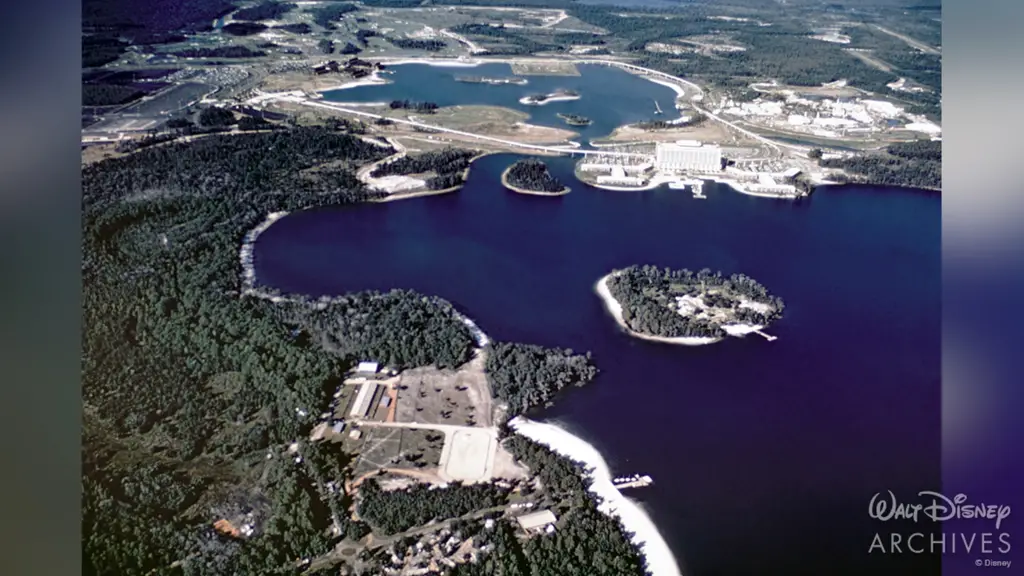
Disney’s Fort Wilderness Resort & Campground opened in November 1971. It spanned 600 acres and invited families to experience a real “True-Life Adventure.” This could be done for $11 a night as campers enjoyed the natural beauty of Central Florida while being close to the Magic Kingdom.
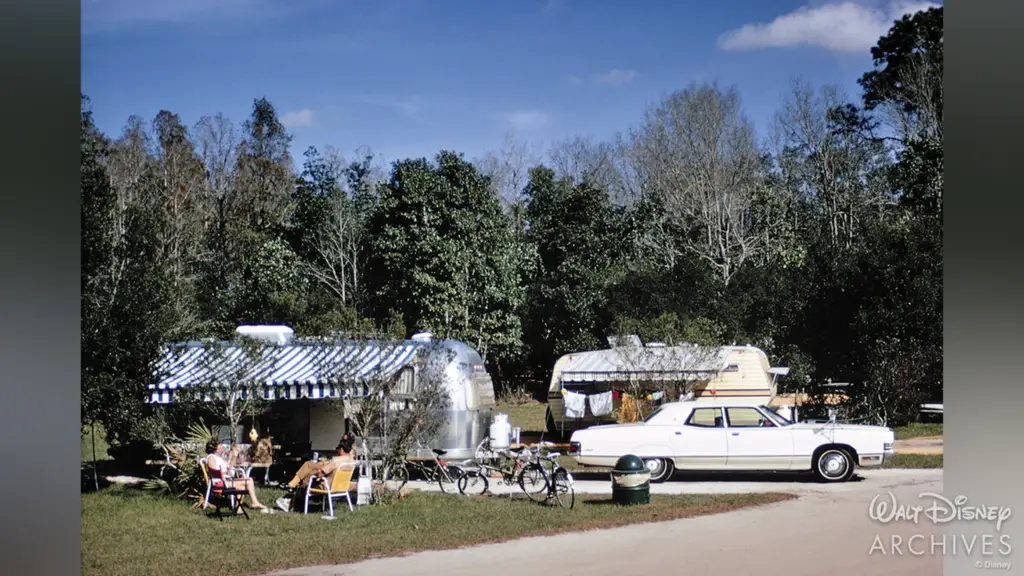
Fort Wilderness had campsites nestled among trees and foliage that were found along specially designed roadway loops. This created a sense of seclusion and privacy as guests enjoyed the rustic, natural setting. There were opportunities for guests to hike, canoe, and horseback-ride through the forests and cypress swamplands. They could also encounter wildlife and plant life or go fishing.
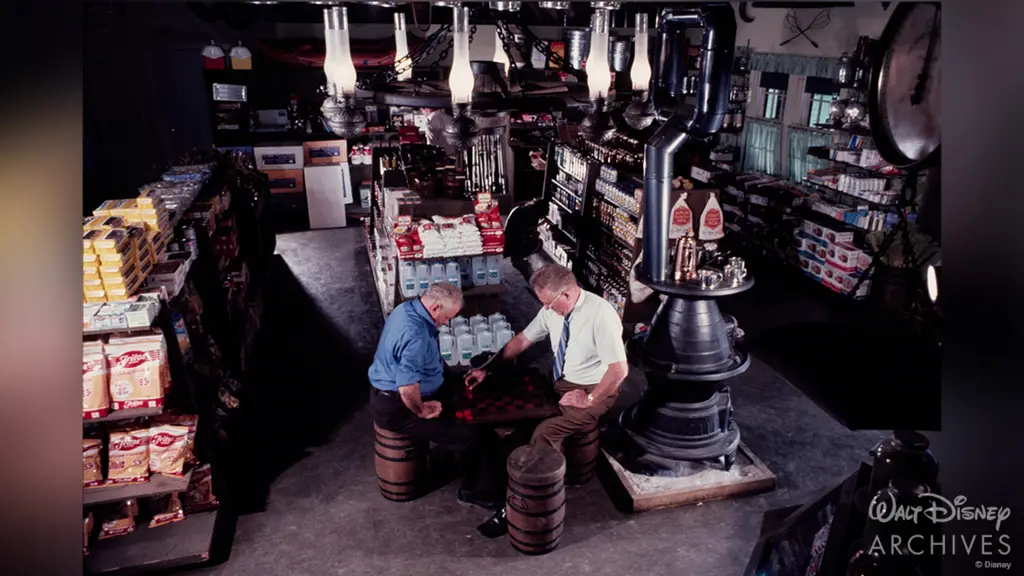
The Fort Wilderness Trading Post served as the general store for the resort. It had everything one could need while on their vacation in the great outdoors.
Ways to Go
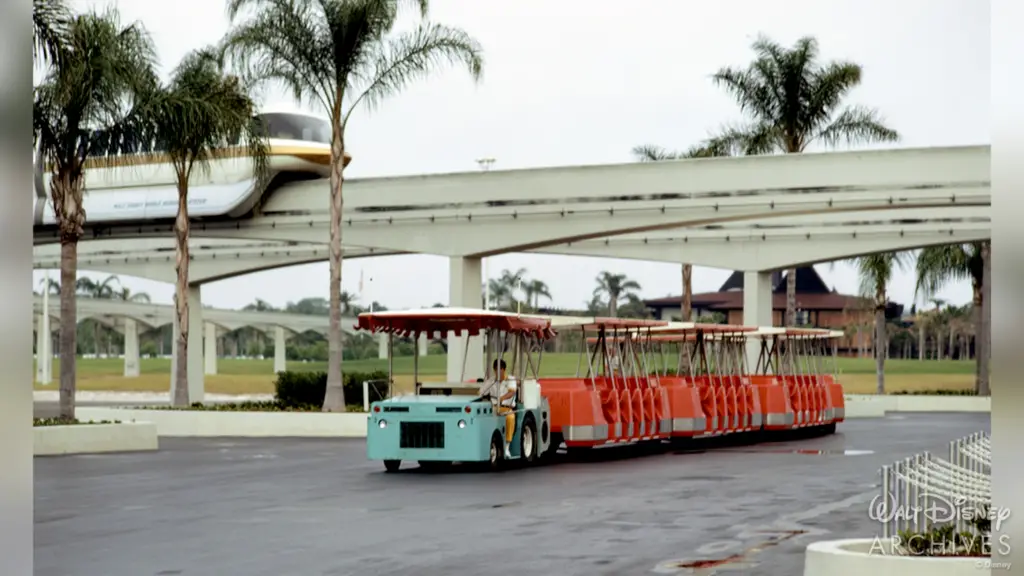
When Walt Disney World opened in 1971, parking was only $0.50. After parking their cars at the Transportation and Ticket Center, guests would make their way to the Magic Kingdom by Monorail, tram, or even an Osceola class sidewheeler! In July 1972, ferryboats would join in the job of transporting guests to the Magic Kingdom.
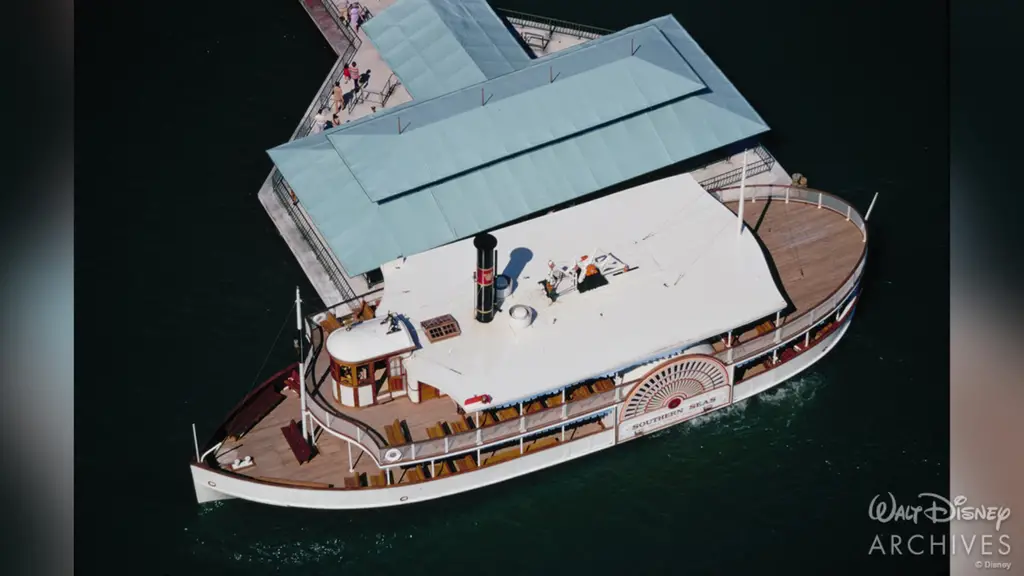
All of these modes of transportation helped build the anticipation as guests made their way toward a day at the Magic Kingdom.
Playing in the Park
When the Magic Kingdom opened, it offered six themed lands: Main Street, U.S.A., Adventureland, Frontierland, Fantasyland, Tomorrowland, and Liberty Square. Back in 1971, guests would use tickets that could be found in ticket books to experience attractions. These tickets ranged from “A” through “E.” The “E” tickets were for some of the most elaborate experiences.
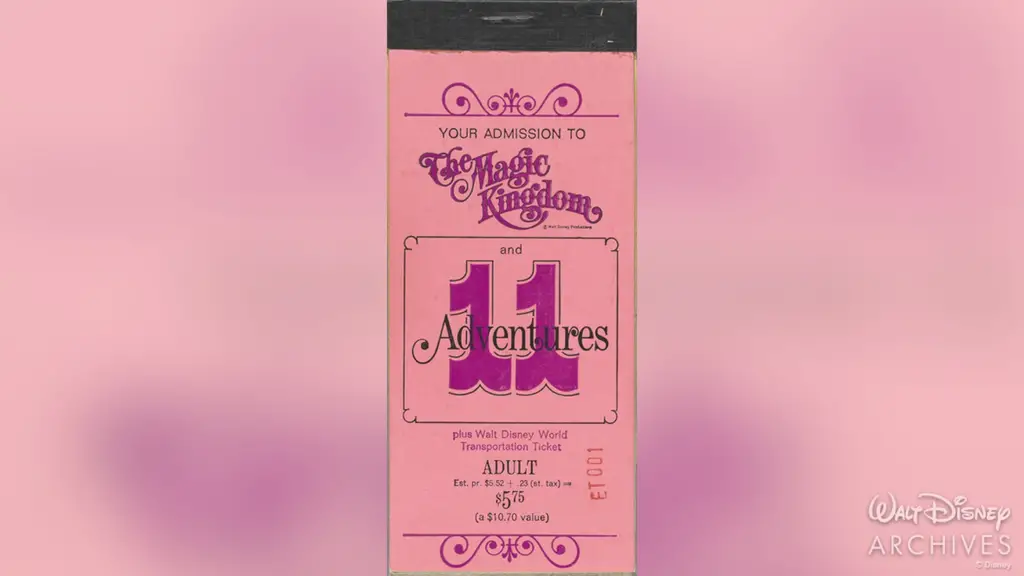
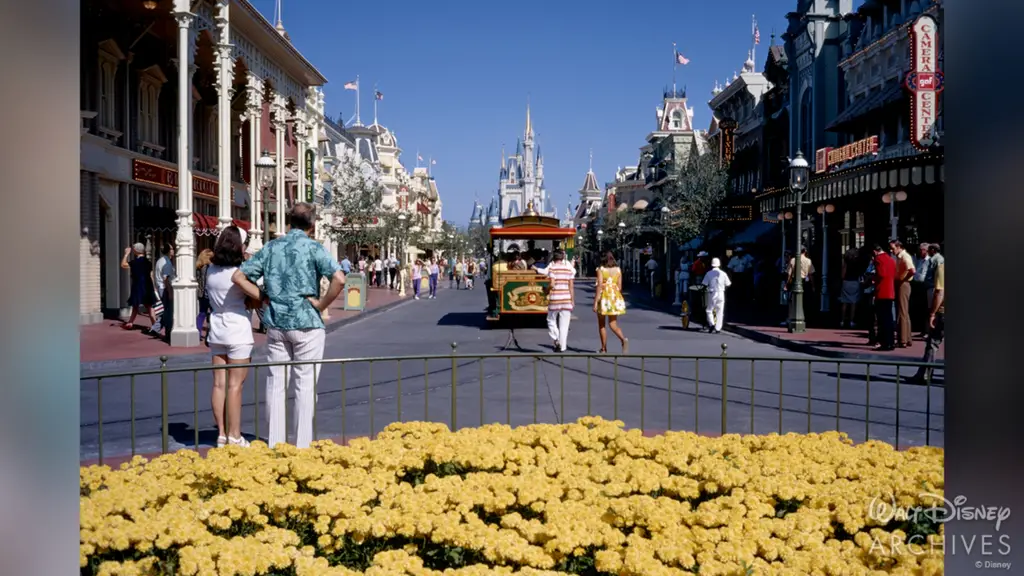
While there were similarities to Disneyland in California, the scale and setting of Walt Disney World also set it apart and made it feel unique. There were plenty of opportunities to enjoy staying at the Vacation Kingdom, not rushing through everything all at once, and enjoy making memories in the park and beyond.
More Magic
At Walt Disney World, there was plenty more to enjoy beyond the Magic Kingdom. Guests could return to their resort hotel to relax and enjoy the recreation, dining, and entertainment offerings.
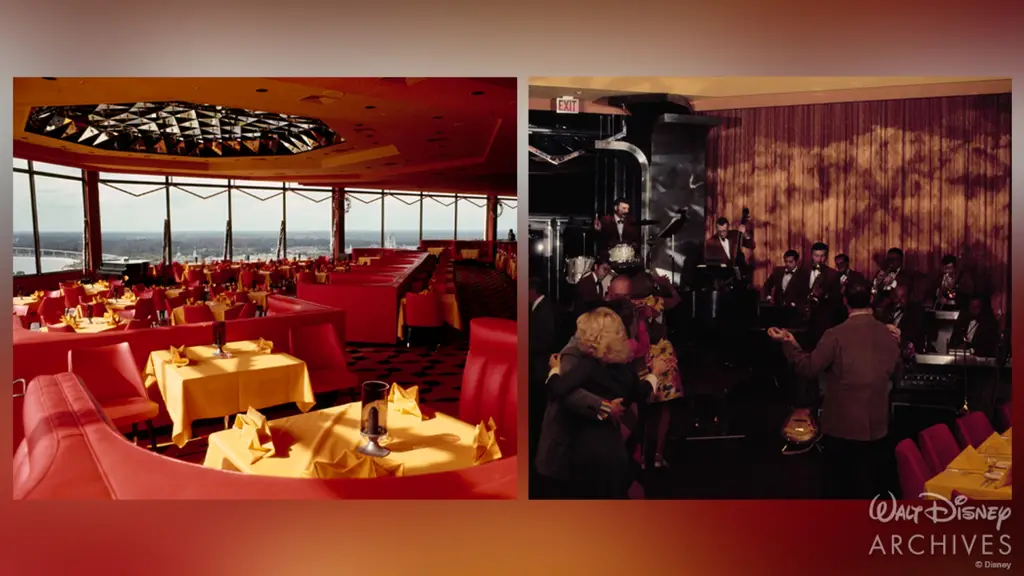
The Contemporary Resort allowed the opportunity to relax beside Bay Lake, explore the shops and marina, or enjoy eating at the many restaurants found there. On the 15th floor, the Top of the World (now the California Grill) offered beautiful views, celebrity entertainment, and a magical evening. The Contemporary also featured the Gulf Coast Room (renamed Grand Republic Ballroom A) to offer guests more dining options that feel like a complete vacation destination and not just a theme park hotel.
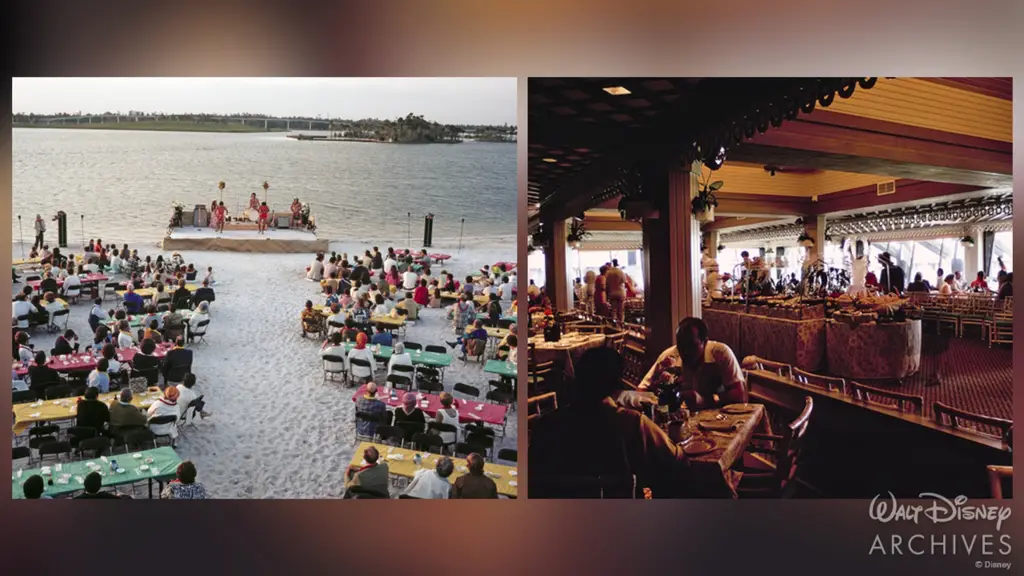
The Polynesian Village offered lovely experiences along Seven Seas Lagoon or the marina during the day and fantastic dinner and entertainment offerings at night. Once upon a time, there was a luau that was staged nightly on the white sand beaches with flaming torches. This led to Luau Cove being constructed for the show in 1973.
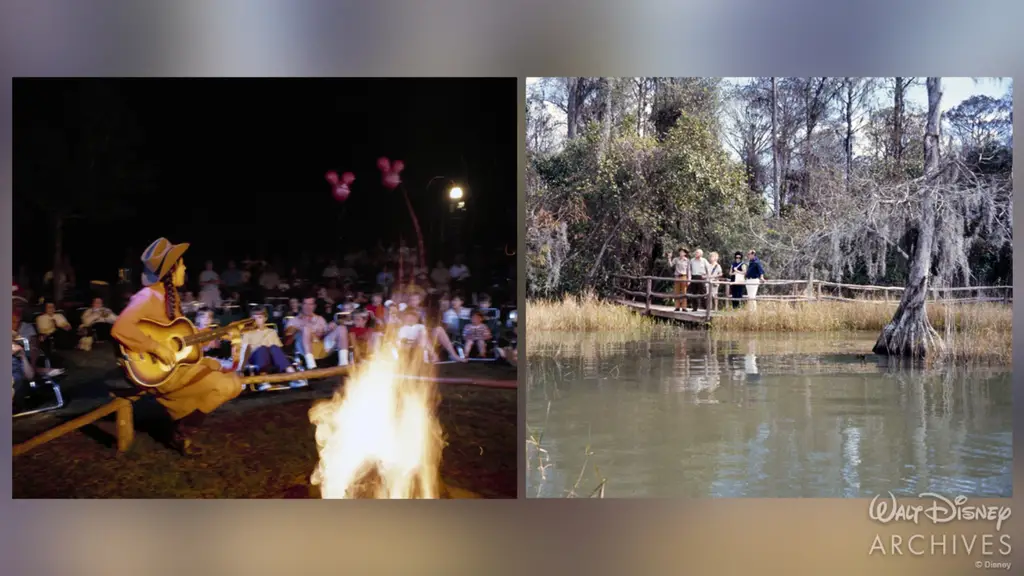
Fort Wilderness had its own array of offerings. This included nature hikes, swimming lessons, fishing, water skiing, games, bicycling, and archery. The nearby Tri-Circle-D Ranch allowed guests to watch blacksmiths at work or the opportunity to play with goats, roosters, and other domestic animals that were found in the children’s petting zoo. They could also go on rides on winding trails throughout the campgrounds as well. In the evenings, families could enjoy hayrides, night canoe excursions, or even campfire sing-alongs.
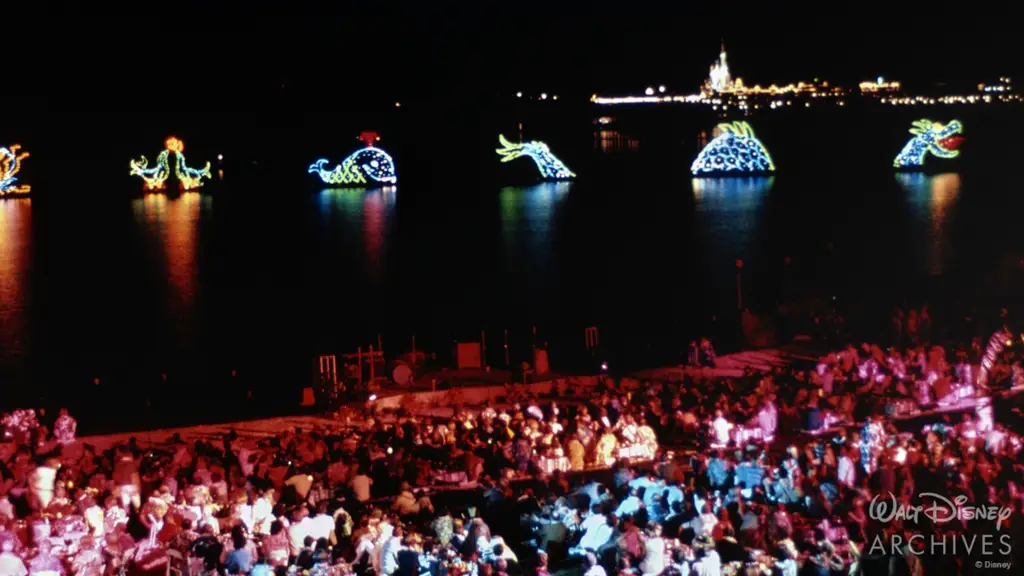
Later in the evening, the Seven Seas Lagoon came to life with the Electrical Water Pageant. This debuted during the grand dedication weekend for Walt Disney World. This turned the lagoon into the stage for this magical show.
Foundation for the Future
The Walt Disney World of yesterday set the foundation that the Walt Disney World of today was built on. The Magic Kingdom and the accommodations that surrounded it allowed guests to experience Disney storytelling throughout their vacation. It immersed them as they enjoyed their stay at the “Vacation Kingdom of the World.” This continues on today with the new parks and many more resort hotels found throughout Walt Disney World.
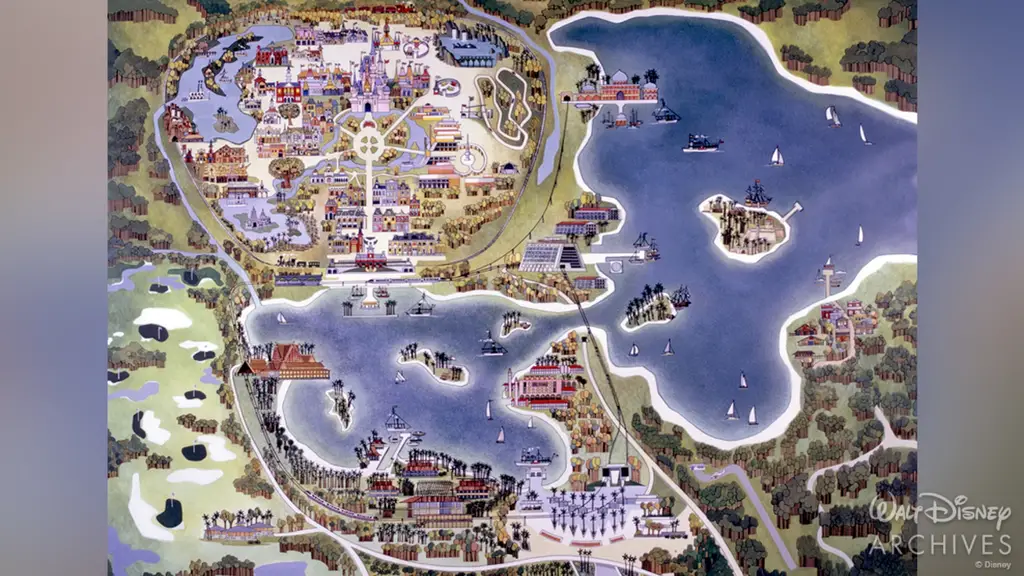
The future may not have played out as initially planned at Walt Disney World Resort. However, it continues to be a place of innovation, possibility, and storytelling.