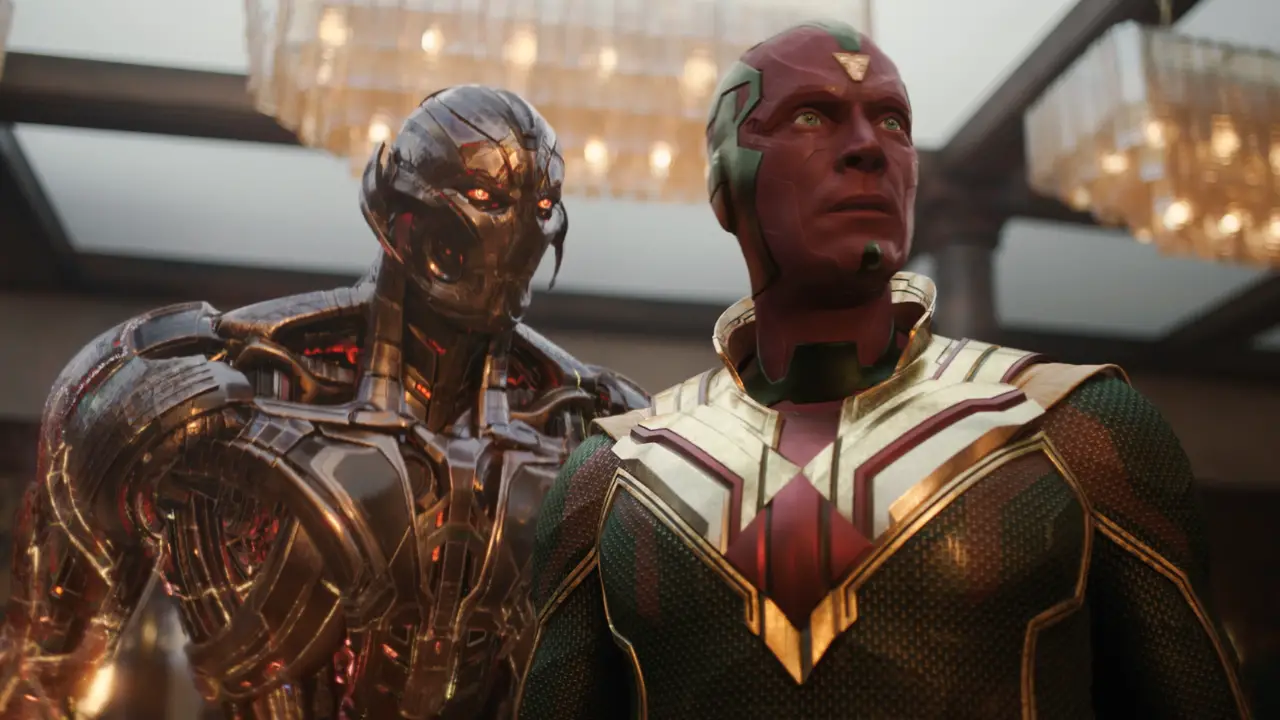
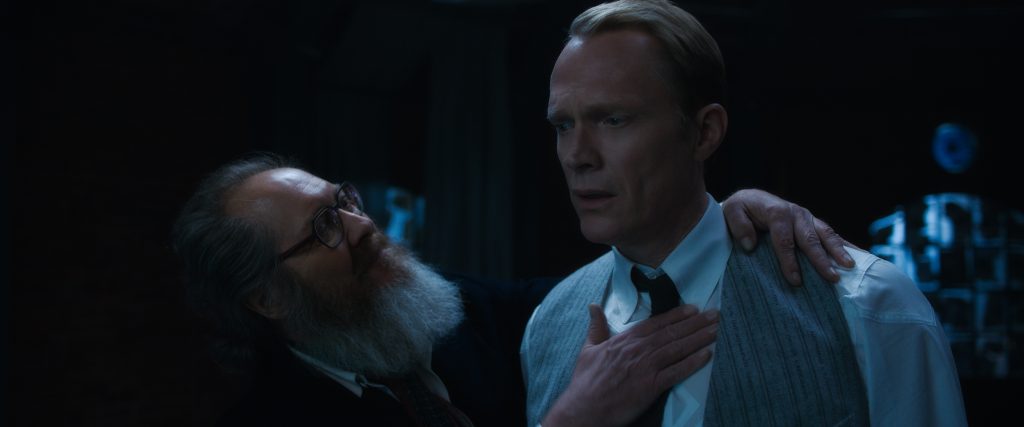
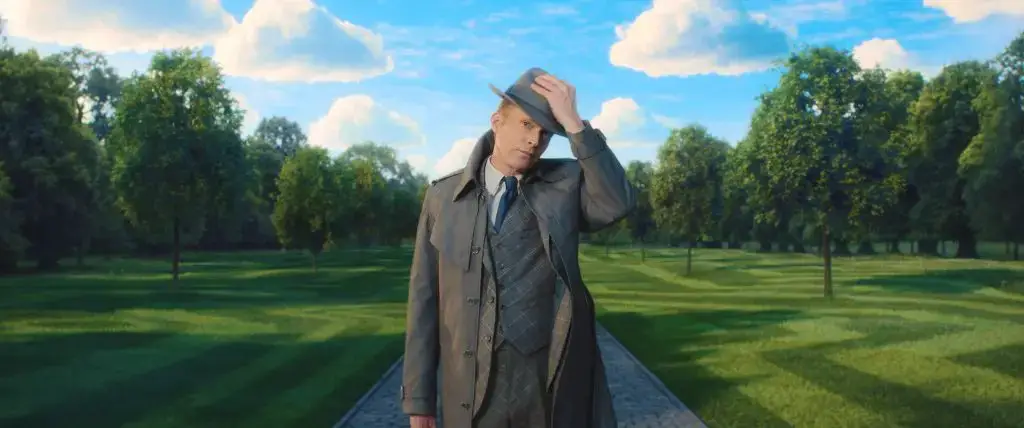
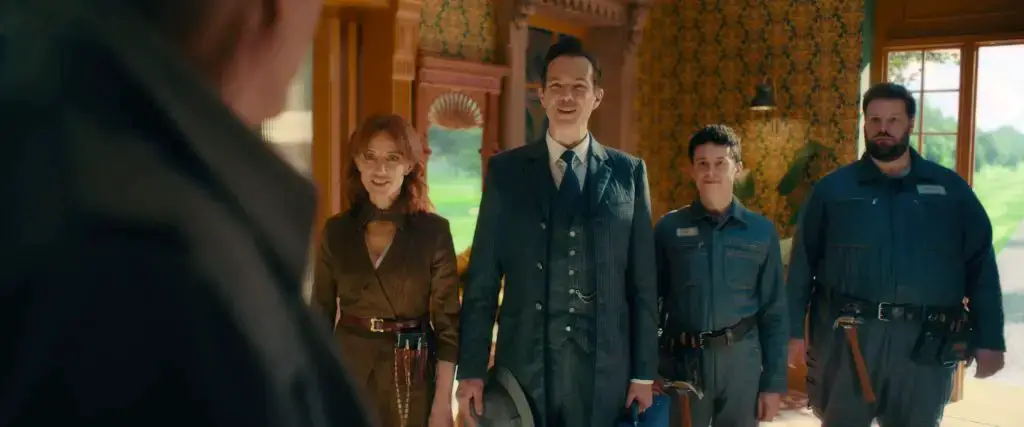
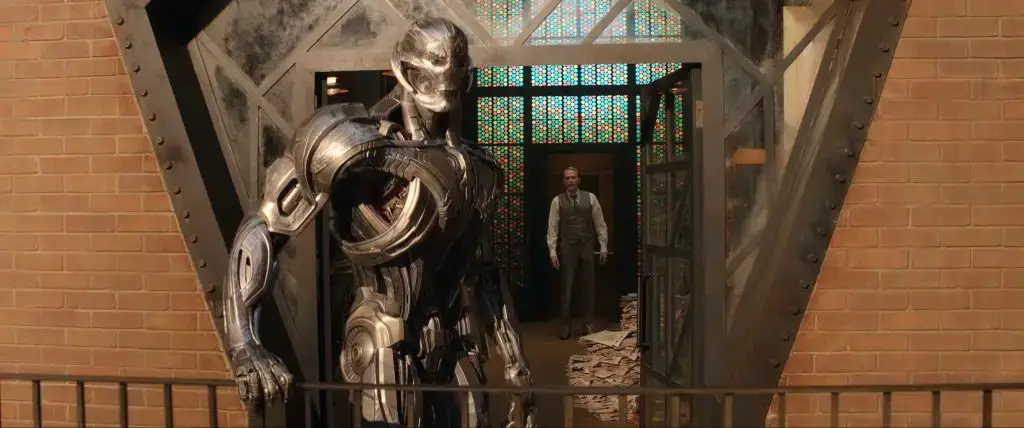
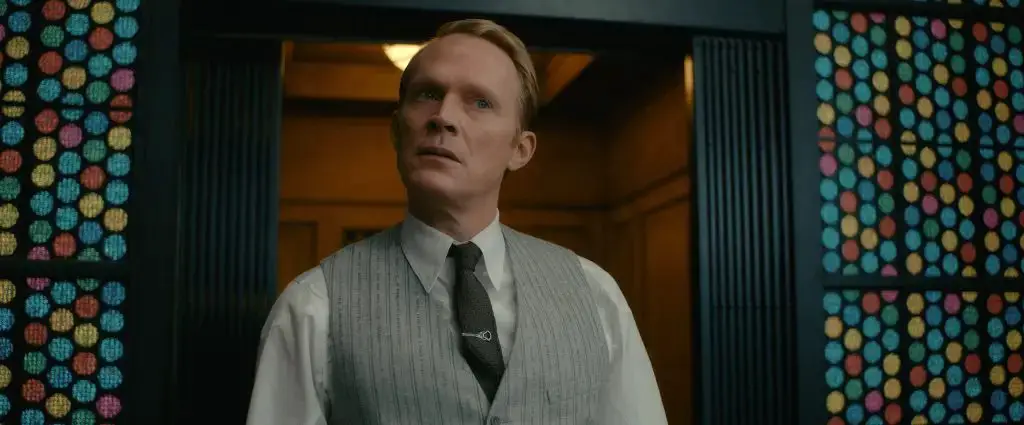
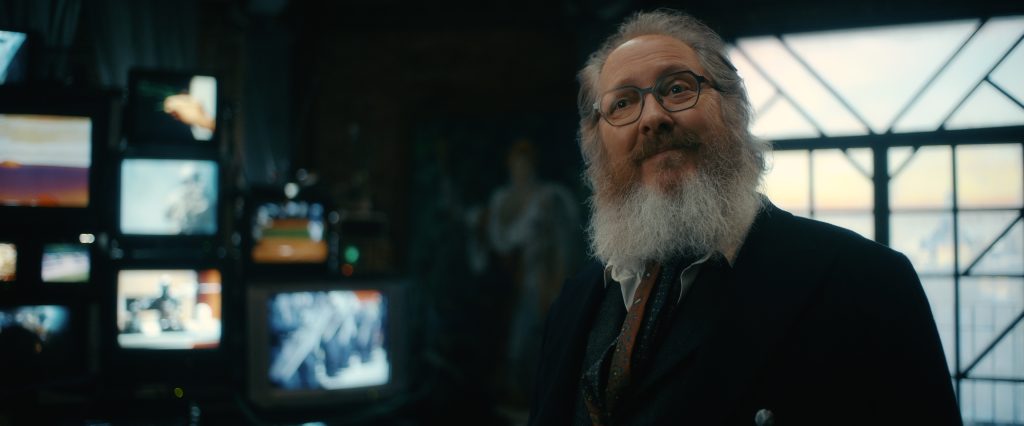
The first two episodes of VisionQuest are now streaming on Disney+. In this series, a rebooted Vision (Paul Bettany) works in a pub in Edinburgh. He is trying to keep a low profile while making sense of memories that aren’t quite his. As he searches for new meaning, he consults with the different AI personas that are embedded within his programming. This includes F.R.I.D.A.Y. (Orla Brady), E.D.I.T.H. (Emily Hampshire), J.A.R.V.I.S. (James D’Arcy), D.U.M.-E. (Henry Lewis), and U. (Jonathan Sayer). Each of these AIs serves a critical function in his quest to become more human. There is also another AI who also lives rent-free in his head: the superintelligent supervillain Ultron (James Spader).
Showrunner Terry Matalas “has done an extraordinary job wrapping up what turned out to be a really beloved group of shows,” Bettany said. “It manages to be redolent of WandaVision but also its own thing. I think that’s quite a magic trick that Terry pulled off.”
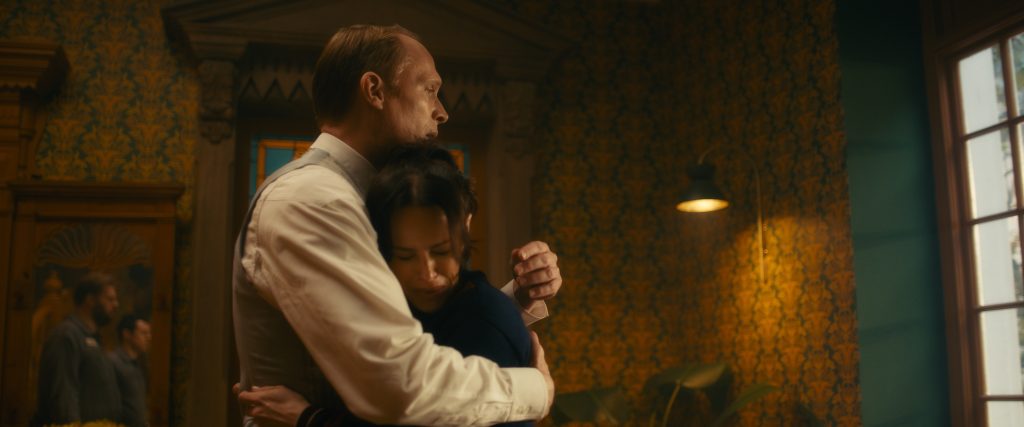
Unfortunately, not everything is magical for Vision in VisionQuest. He isn’t sure what to make of Wanda Maximoff (Elizabeth Olsen). He has memories of the real love that they shared. Unfortunately, something about them feels artificial.
“This is a story of a guy going through an identity crisis, and when you go through that, you spend a lot of time in your own head. I’ve certainly been there,” Matalas said. “I asked myself, ‘Who do I really want to see him with?’ Wanda is not there, so immediately, I went to Ultron. I wanted that last scene in Avengers: Age of Ultron between the two of them to go on for another 127 minutes. Then, it dawned on me: ‘What if all of that was the series?’”
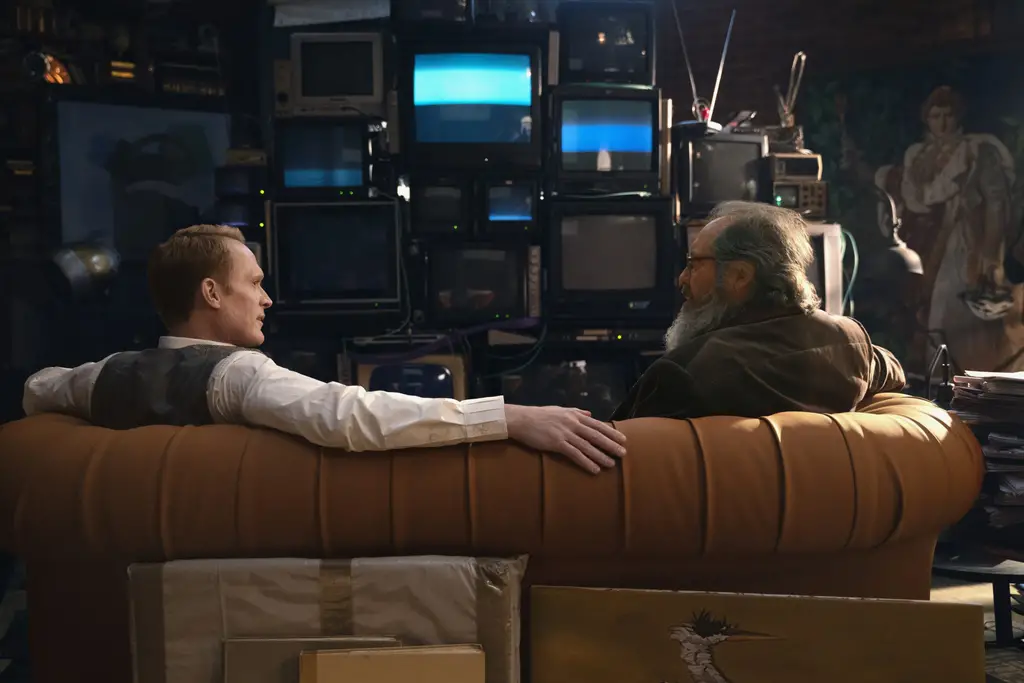
Matalas’ idea sparked something in James Spader. His character hasn’t been seen onscreen since Avengers: Age of Ultron (2015). A decade later, “I was reading this with completely fresh eyes,” he said. “For me, it just worked brilliantly as its own thing. Completely, regardless of anything else swirling around it, it worked for me as a standalone. So, it was a great success in that way.”
Bettany added that he was eager to explore the complex dynamic between Vision and Ultron. “There are a couple of things you can do with robots. One is Pinocchio: ‘I’m a real boy now.’ The other is Frankenstein: ‘Who am I? Who made me? What is my purpose? Where do I fit in? Am I good? Am I bad?’” he said. “I wanted it to be a mashup of those two classic things you can do with robots. Terry really heard me. When he said, ‘How about we get James Spader back as Ultron?’ I was like, ‘That’s it.’ Now it can be about fathers and sons, and it can be about intergenerational damage, but in corrupted files in these robots.”
Reunification
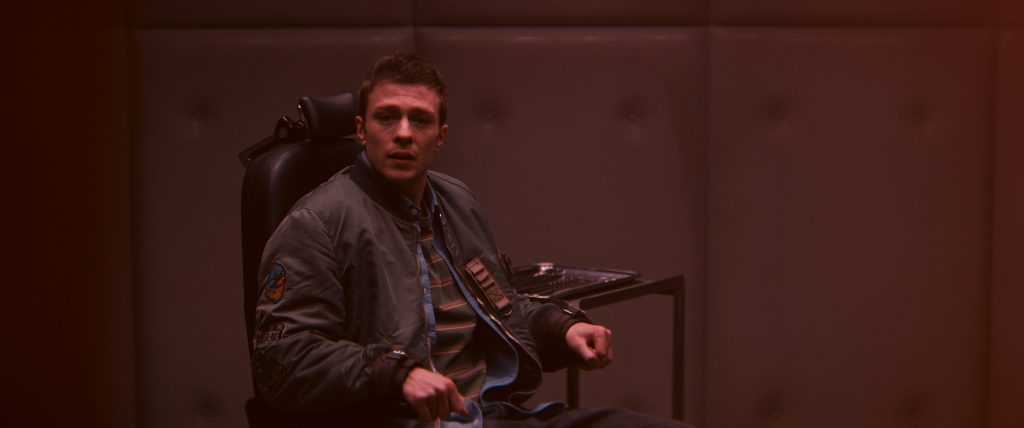
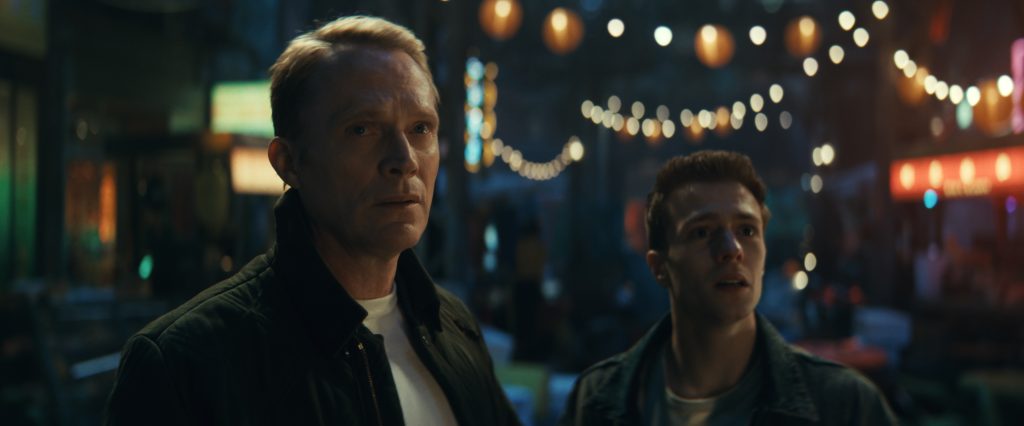
When the bounty hunter Paladin (Todd Stashwick) is hired to track Vision down, his discreet existence comes to an end. To bait Vision, Paladin kidnaps a young boy on the run named Thomas Shepherd (Ruaridh Mollica). It turns out this may be Vision’s reincarnated son. Thomas finds himself struggling to reconcile his memories of Wanda and Vision. Both he and Vision share a desire to understand their otherwise inexplicable connection with each other.
“Vision is told he has a human son, and it must be impossible to believe. And yet, there he is,” Bettany said. “My eldest son is not mine biologically, and yet, impossibly, he feels like he is. I feel no difference between my children in that regard. That was a really helpful thing for me to think about [during the filming of VisionQuest] — that he feels like he’s mine.”
Vision, thankfully, doesn’t have to figure out fatherhood alone.
Vision is told he has a human son, and it must be impossible to believe. And yet, there he is. My eldest son is not mine biologically, and yet, impossibly, he feels like he is. I feel no difference between my children in that regard. That was a really helpful thing for me to think about — that he feels like he’s mine.”
— Paul Bettany, Star and Executive Producer
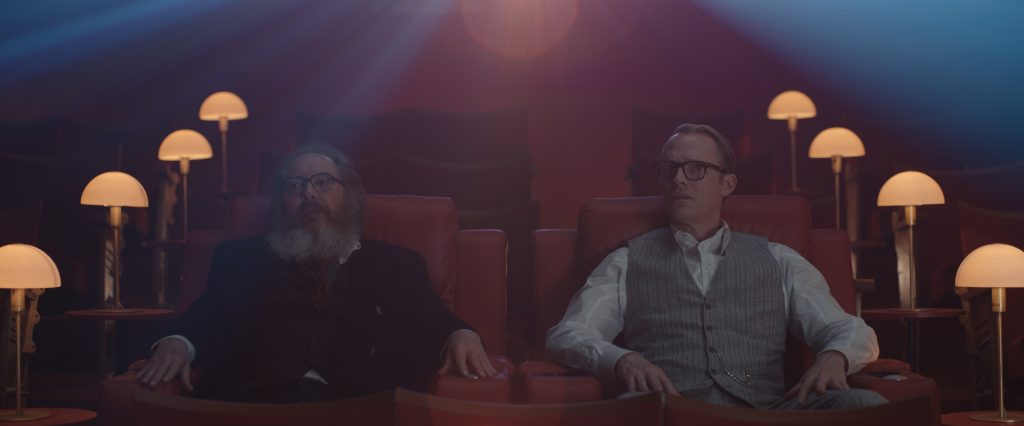
“This whole show is really about identity,” Hampshire explained. “F.R.I.D.AY. is socialization, and J.A.R.V.I.S. is security, and those are very important things for someone to learn. Then comes E.D.I.T.H., who’s fun and experienced. She’s afraid of being expendable. She so desperately tries to demonstrate value that she pushes hard for Vision to experience things — because as an AI, you know everything. You have all the ingredients for the greatest recipe, but you have never tasted it. She’s craving that, so she’s projecting that onto Vision.”
There is a lot for Vision to learn from the AI personas in his MindSpace. E.D.I.T.H., who debuted in Spider-Man: Far From Home (2019), was given to Peter Park (Tom Holland) by Tony Stark (Disney Legend Robert Downey Jr.) in a pair of glasses that connected him with Stark Industries’ global network. She now handles Vision’s recreational AI, game therapy, and weapons. For Hampshire, however, the coolest part of this character is her inherent humanity.
“What must it be like to be an AI? All you are is somebody’s tool. If you’re not doing exactly what they want or excelling in something, you’re useless. And you don’t get to have any autonomy,” she said. “E.D.I.T.H. wants to experience things. Everything came from a place of her massive desire for life, in a way that no other human character has given me.”
Ultron’s Growth
Ultron is also showing interest in his own humanity, just like Vision and E.D.I.T.H.
Vision secretly kept a backup of Ultron following the events of Avengers: Age of Ultron. Since then, Ultron has developed a newfound appreciation for society. He embraces art, culture, and entertainment. He also may have a deeper understanding of human culture than humans themselves. However, he is still unpredictable, depending on his mood, the situation, or both.
“In some ways, he’s even more dangerous, because he’s older and more mature,” Spader said. “He has assimilated knowledge from his consumption of everything humanity has to offer. He can get anything from any source, which he did as rapidly as he could in Age of Ultron. He was a kid then, and now he isn’t. And he has also been imprisoned for 12 years.”
Matalas shared that the know-it-all Ultron serving as a father-figure for the open-minded Vision creates a nuanced and layered dynamic that is core to the series’ premise. “There was a very clear vision from the beginning — a very specific tone that is constantly shifting, constantly changing,” he said. “As a showrunner, that’s hard to convey to department heads and the countless brilliant and talented people working on the show. Fortunately for me, Paul, and James, the three of us were in complete creative sync about what that should be.”
For Bettany, the vision for Vision has always been clear.
“Vision has a contract with the audience, and it’s that he is always in a state of change and self-discovery,” he said. “When I meet fans, they are almost universally younger. It’s because they are in the same business of trying to discover who they are — and it’s urgent business, their identities. Of course, the culmination of this show is the acceptance of who he is and what has happened to him. It’s the thing that gives him the strength in the finale. That was always the plan in terms of the story arc, and I think we’ve delivered a very satisfying show.”
Are you watching VisionQuest on Disney+? If so, what did you think of the first two episodes? If not, are you planning on it? Share your thoughts and opinions in the comments below!