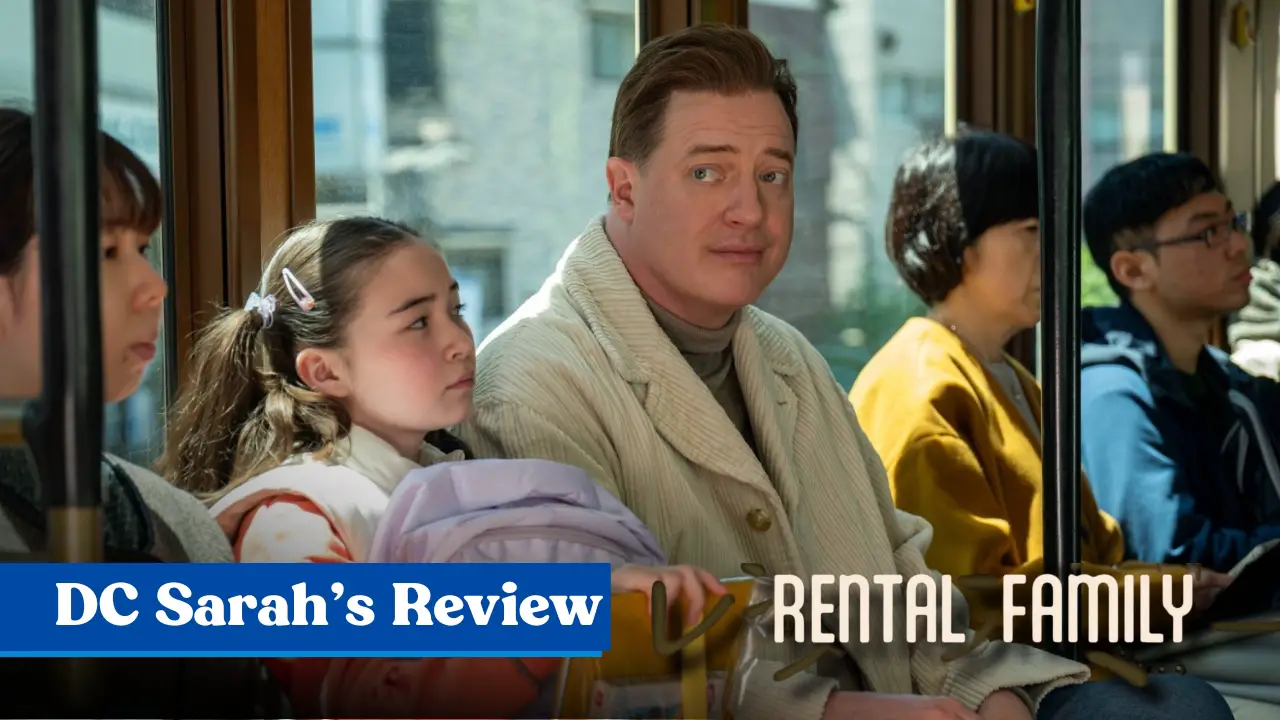
As a fan of Searchlight Pictures, I’m always excited when they release a new film. I was especially intrigued when Rental Family was announced. As a long-time fan of Brendan Fraser and someone who enjoys Japanese films, this movie felt like it was made with me in mind. It’s charming, sweet, and important for me; it uses food in interesting ways to help tell its story.
“Set in modern-day Tokyo, Rental Family follows an American actor (Brendan Fraser) who struggles to find purpose until he lands an unusual gig: working for a Japanese “rental family” agency, playing stand-in roles for strangers. As he immerses himself in his clients’ worlds, he begins to form genuine bonds that blur the lines between performance and reality. Confronting the moral complexities of his work, he rediscovers purpose, belonging, and the quiet beauty of human connection.”
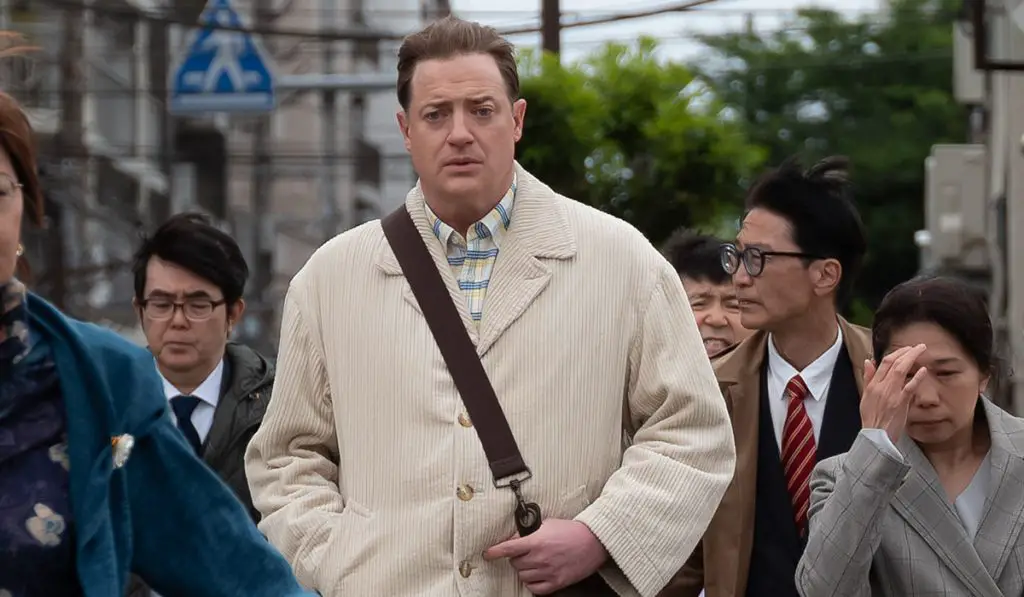
According to the production notes, Hikari, the film’s Osaka-born director, began exploring the “rent-a-family industry” that exists within Japan. The practice has been well-documented and began in the 80s. “Currently, there are about 300 companies that exist in Japan,” the director says. “In a big city like Tokyo, or even a countryside town, you can feel so isolated. … Every single person I spoke to was looking for connection. Even though they’re paying for the service, they find a friendship within that two or three hours they spend together. And the actors who become the surrogates are also 100% invested in the relationship and find their own connection [within] the community. The roles may seem fake, but the emotion is real.”
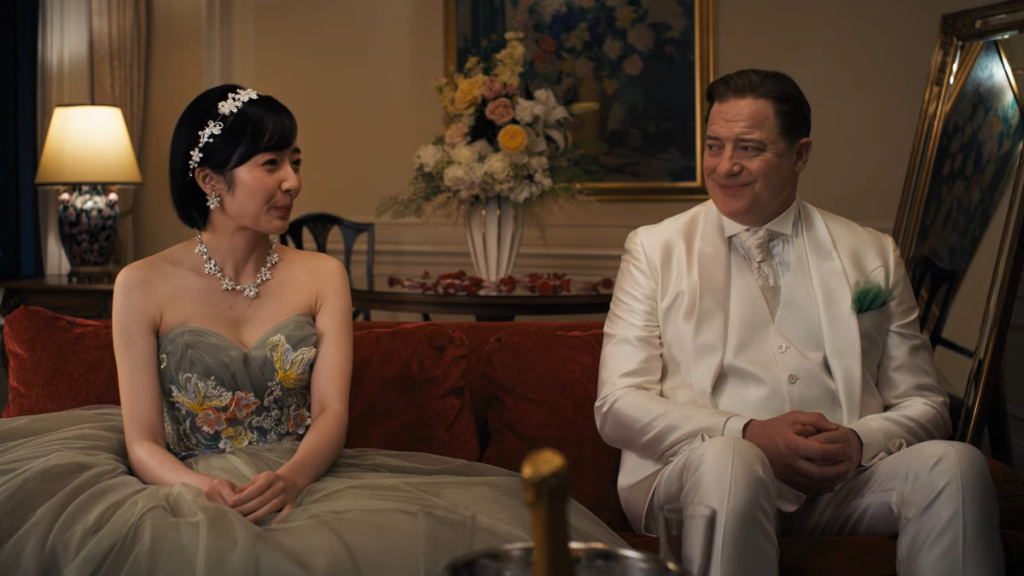
Brendan Fraser’s character has spent 7 years in Japan as an actor. He comes home to an empty apartment each night and watches couples and families in the building across from his. The first time we see this, there is an incredible use of food, which I’ll discuss further down, but I need to point out that the use of windows in this moment and throughout the movie is really smart. It not only makes the viewer feel like they are outside of the situation, but also illustrates how Fraser’s character is outside of all of these connections. That said, this doesn’t play out like your typical fish-out-of-water film. According to the director, it was important that this story was told not only through Western eyes. “It was important to us to strike a balance. Often, a country and its people are 3 reduced to stereotypes. That’s why Tada, the owner, and his co-workers are so important. They add complexity and nuance by giving the story an Eastern and female perspective.”
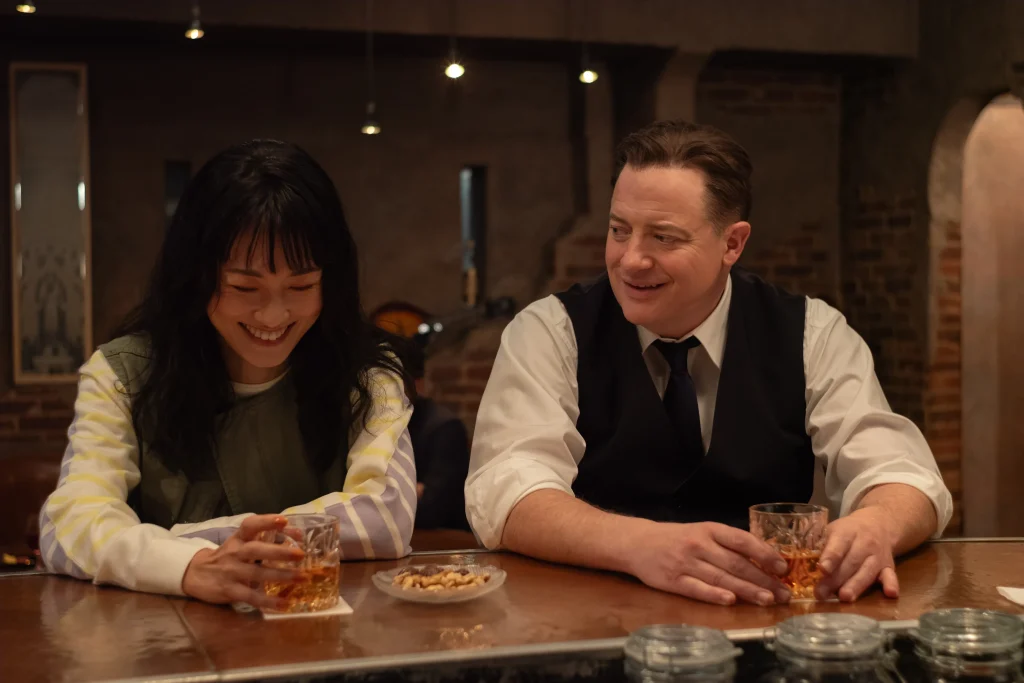
As someone who writes extensively about food in film, I’d be remiss if I didn’t talk about the interesting ways Rental Family used food in its storytelling. One of the most poignant moments of the film is the one I mentioned above. One of the things that made this scene hit me in the feels is that Phillip (Fraser’s character) comes home to his empty apartment and eats the bento meal he picked up at the konbini (convenience store) while looking out his window. This moment of a single serving meal eaten while longing for companionship felt especially sad. Another exceptional use was during a meal shared by Kikuo and Phillip at a restaurant. They are making what looks like okonomiyaki, and Kikuo burns his a bit. This shows his deteriorating mental state without having to directly say anything. Phillip tries a bite and overlooks the fact that it’s overcooked, which mirrors his ignoring of Kikuo’s mental decline. There are a few others, but I challenge you to see if you recognize any instead of me spoiling them for you.
Overall, the entire film is well cast and is a great watch. It will challenge what you think you know about relationships and family. Sometimes family is just the one we are born with, but rather the one we build. This film does an excellent job of showcasing that. I hope you find time to check it out because I think there is a lot of value in it.
My Rating: 4.5/5